Mapping Digital Slot Reward Progressions from Free Starts to Mobile and Tournament Levels
Katja Simmons · Aug 20, 2026
Mapping Digital Slot Reward Progressions from Free Starts to Mobile and Tournament Levels
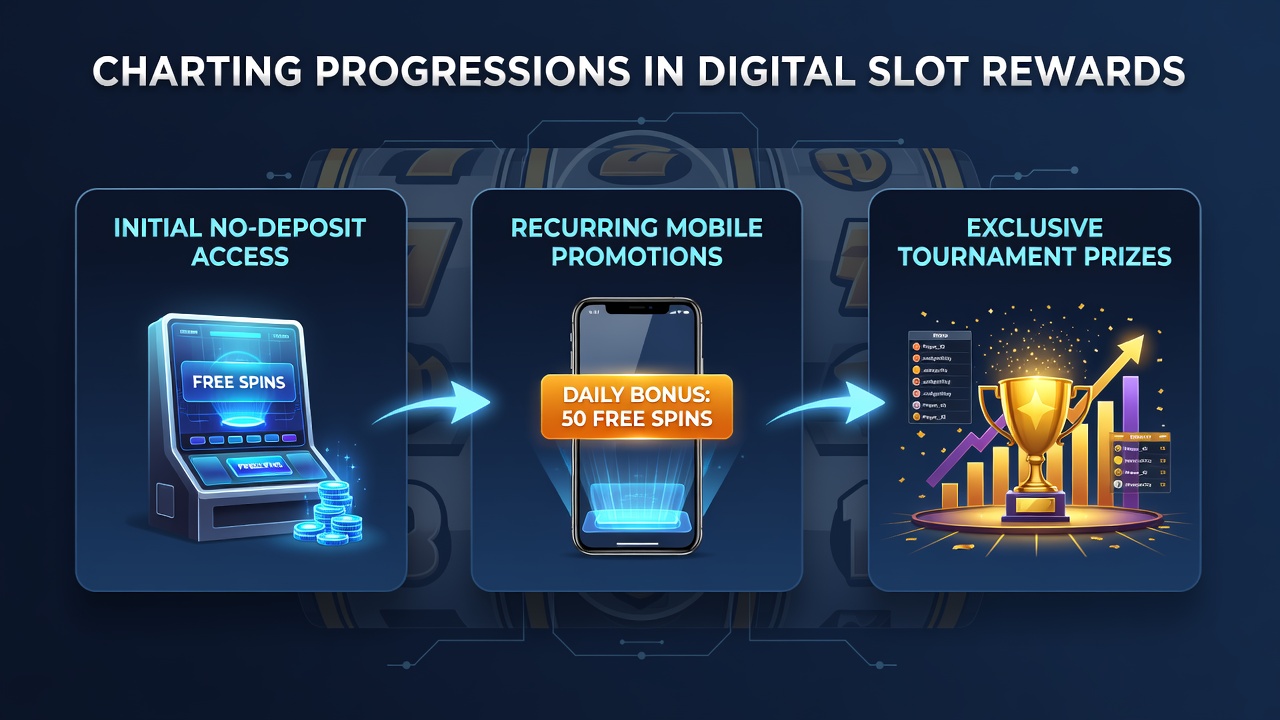
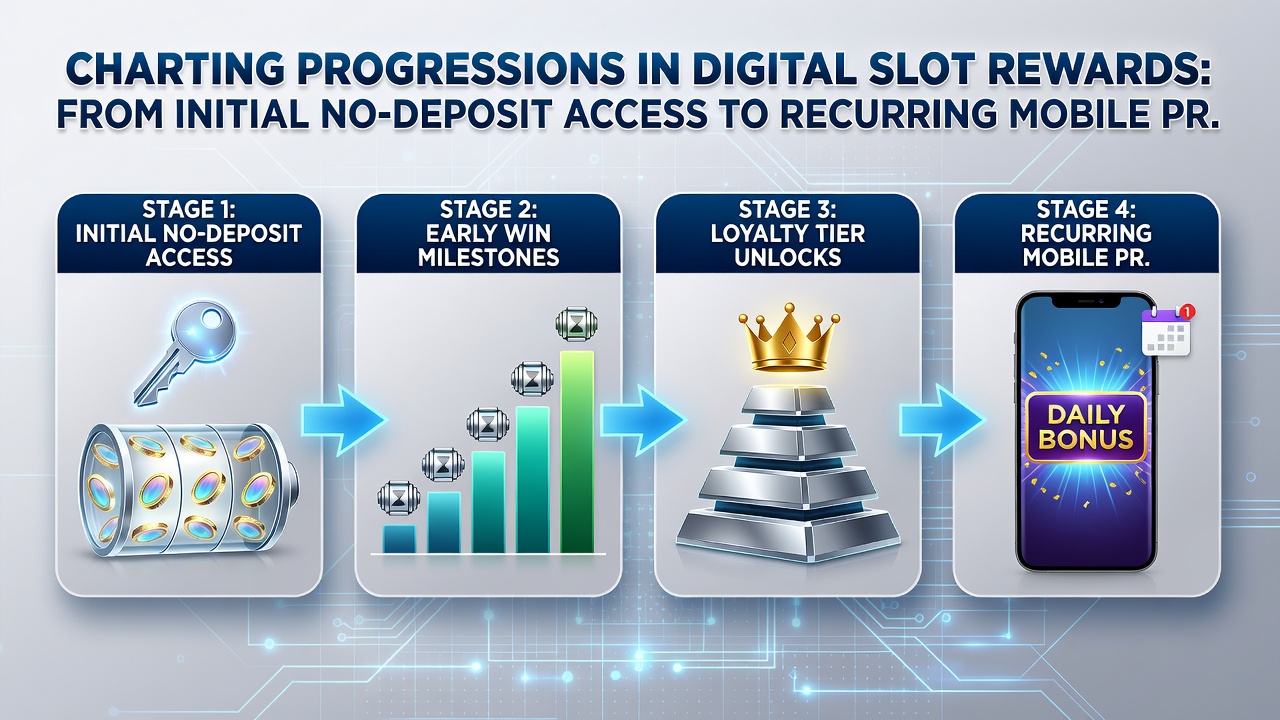
Digital slot platforms structure rewards in layered sequences that begin with no-deposit entry points and extend through recurring mobile promotions before reaching exclusive tournament structures, and operators track these progressions through player account data that reveals consistent patterns across multiple jurisdictions. Research from the International Gaming Institute at the University of Nevada indicates that initial no-deposit offers serve as acquisition tools while subsequent tiers build retention through timed mobile incentives and competitive events.
Initial No-Deposit Access Mechanisms
Players encounter no-deposit rewards as registration incentives that credit free spins or small cash balances without requiring an upfront transfer, and these mechanisms rely on verification processes that confirm account details before activation. Data from regulatory filings show that such offers typically carry wagering requirements between 20x and 50x, which convert the initial credit into playable funds while limiting immediate withdrawals. Observers note that platforms present these starters through email campaigns and app notifications, and the approach allows new users to test game libraries without financial commitment before any deposit occurs.
Transition to Deposit Matches and Mobile Recurring Offers
After the first interaction phase, systems introduce deposit-matched rewards that scale with player activity, and mobile-specific promotions appear as daily or weekly reloads delivered through app interfaces. These recurring elements often combine percentage matches with additional free spins, while timing aligns with peak usage periods identified through usage analytics. A report issued by the Canadian Gaming Association highlights that mobile promotions generate higher engagement rates compared with desktop equivalents because push notifications and location-based triggers increase visibility. Operators integrate these offers into loyalty loops that reset on fixed schedules, creating predictable reward streams that encourage continued participation across weeks or months.
Escalation to Tournament Structures and Exclusive Prizes
Tournament access forms the upper tier where accumulated points or direct entries unlock competitive leaderboards with prize pools that include cash, bonus credits, and physical merchandise. Platforms schedule these events on weekly or monthly cycles, and qualification criteria combine deposit volume with gameplay metrics to filter participants. Figures from the Alderney Gambling Control Commission reveal that tournament formats contribute measurable uplifts in average session length because the competitive element adds social and achievement dimensions beyond standard play. Exclusive prize tiers frequently incorporate invite-only brackets reserved for high-activity accounts, and these events feature scaled rewards that reflect prior progression through lower reward levels.
Developments Observed in Mid-2026
By August 2026 several operators expanded mobile promotion frequency to align with seasonal usage peaks, and tournament prize pools incorporated new jackpot-linked elements that draw from pooled contributions across participating sites. Account tracking systems now link no-deposit starters directly to later tournament eligibility through unified loyalty identifiers, which streamlines the visibility of reward progression for both players and platform administrators. Industry analyses confirm that these integrations reduce fragmentation between acquisition and retention stages while maintaining compliance with varying regional rules on bonus transparency.
Conclusion
The documented progression from no-deposit access through mobile recurring offers to tournament exclusivity demonstrates a coherent pathway that platforms maintain through data-driven sequencing. External studies continue to monitor how these structures influence player behavior across different regulatory environments, and operators adjust parameters based on performance metrics gathered at each tier. This framework remains subject to ongoing refinement as technology and player preferences evolve.