Integrating Scheduled Incentives with Achievement Thresholds in Modern Slot Platforms
Iris Albrecht · Aug 20, 2026
Integrating Scheduled Incentives with Achievement Thresholds in Modern Slot Platforms
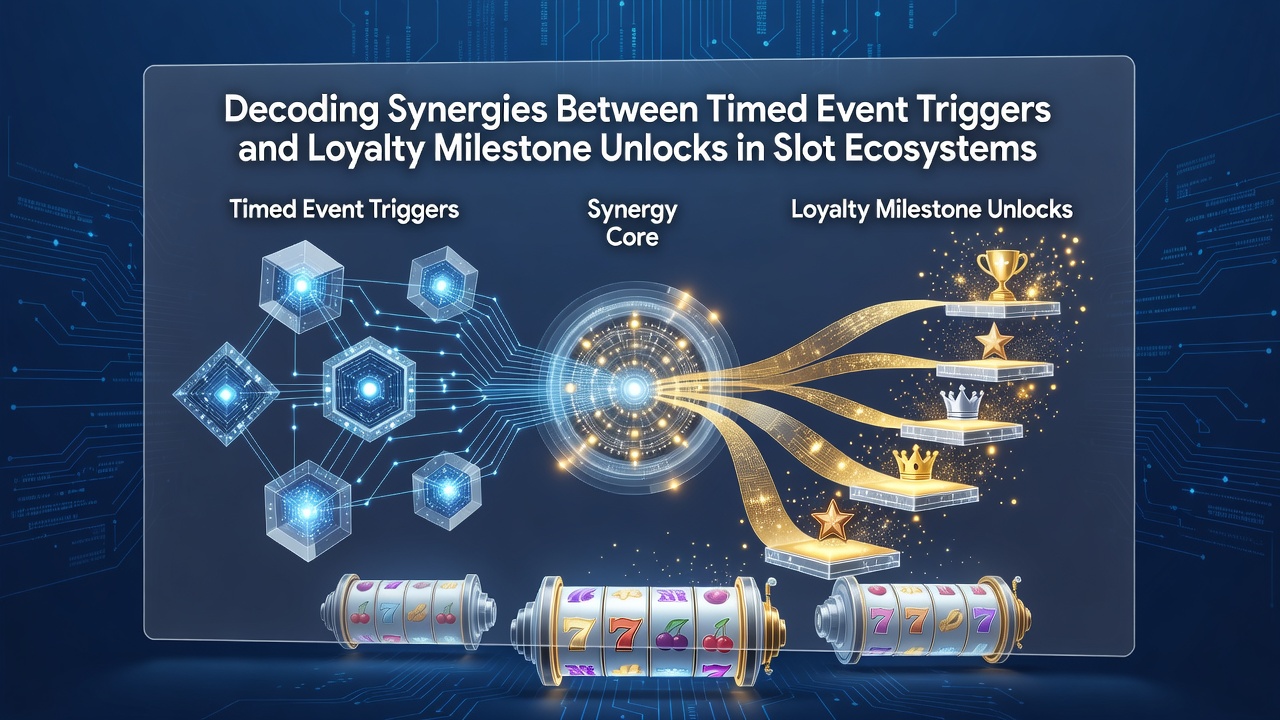
Operators design slot ecosystems around two core reward mechanisms that often operate in tandem, and data from industry analyses show these systems create layered engagement patterns when timed event triggers align with loyalty milestone unlocks. Timed triggers activate during specific windows such as daily login windows, weekend tournaments or seasonal campaigns, whereas loyalty milestones accumulate through consistent play metrics including wager volume, session frequency and game variety. When these elements intersect, players advance through structured progression paths that combine immediate access with longer-term status elevation.
Core Components of Timed Event Triggers
Timed triggers function through fixed calendars that reset at predetermined intervals, and reports from the American Gaming Association detail how these activations typically include multiplier windows, exclusive reel modifiers and limited-entry competitions. The mechanisms rely on server-side clocks that push notifications to player accounts, ensuring availability remains restricted to the active period. Observers note that successful implementations track participation rates across different time zones to adjust future scheduling, while backend analytics monitor completion percentages to refine trigger frequency.
Loyalty Milestone Structures and Progression Logic
Loyalty programs track cumulative activity through point systems that unlock tiered benefits once thresholds are reached, and studies from research institutions indicate these milestones encompass cashback percentages, personalized bonus packages and priority access features. The progression often follows a tiered ladder where each level requires incremental increases in total points, creating visible advancement markers within user dashboards. Data indicates that operators calibrate these thresholds based on player segmentation models, separating casual participants from high-frequency users through distinct reward velocities.
Synergies Emerging from Combined Systems
When timed triggers feed directly into loyalty point calculations, the combined framework accelerates progression during active windows, and figures from gaming research papers reveal measurable upticks in milestone completion rates during such overlaps. A player completing a weekend tournament, for instance, receives both immediate prizes and additional loyalty points that count toward the next tier unlock. This dual-credit model appears in multiple platform architectures where event participation automatically registers within the loyalty ledger without separate manual claims.
Platform developers implement conditional rules that multiply point awards during designated events, creating temporary elevation in reward density. Those who have examined operational data note that these multipliers typically range from 1.5x to 3x standard accrual rates, depending on the tier of the active promotion. The design encourages sustained sessions because milestone progress becomes visible in real time through progress bars that update after each qualifying spin.
Technical Implementation Across Operator Networks
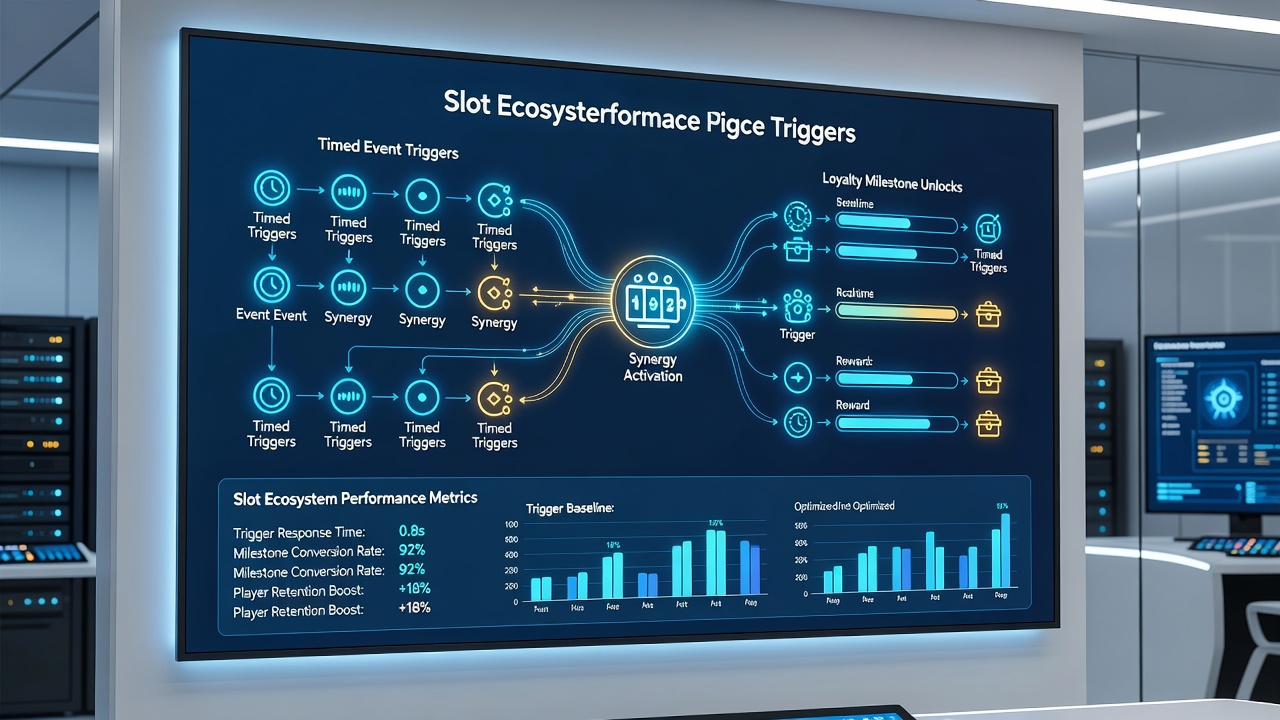
Backend integration requires synchronized databases that link event participation logs with loyalty account records, and technical documentation from industry vendors describes API connections that push updates within seconds of trigger completion. These connections prevent duplicate counting while ensuring points from timed activities flow seamlessly into the main loyalty ledger. Platform audits conducted in August 2026 across several major networks confirmed that latency issues had decreased following infrastructure upgrades, resulting in more reliable milestone tracking during high-traffic periods.
Security protocols verify that timed triggers cannot be exploited through account manipulation, and compliance teams run regular checks on point distribution algorithms. External verification from organizations such as the National Sports Gaming Association shows that cross-referenced logs help identify anomalies before they affect player balances. The architecture supports scalability, allowing operators to introduce new event types without rebuilding the underlying loyalty framework.
Player Journey Patterns Observed in Deployed Systems
Analysis of aggregated session data reveals distinct journey patterns where players enter through timed events and continue into loyalty-driven activity after the initial trigger expires. One documented sequence shows a participant joining a limited-time reel challenge, earning enough points during the window to unlock a mid-tier loyalty benefit, then maintaining activity to reach the subsequent milestone. These pathways demonstrate how short-term activations serve as entry points that feed sustained engagement cycles.
Retention metrics collected over multiple quarters indicate that accounts engaging with both trigger types exhibit longer active periods compared to those interacting with isolated systems. The pattern holds across different game genres, suggesting the synergy operates independently of specific title mechanics. Operators adjust communication cadences based on these observations, sending reminders that highlight remaining time on events alongside current loyalty proximity.
Conclusion
The documented interactions between timed event triggers and loyalty milestone unlocks demonstrate structured reward layering that operators refine through ongoing data review. Integration points allow immediate activations to contribute to long-term status advancement, producing measurable shifts in participation metrics across deployed platforms. Continued examination of these systems provides operators with frameworks for adjusting thresholds and windows in response to observed player behavior patterns.